The first closure confirmation carried my name.
Not my father’s.
Not my mother’s.
Not Brandon’s.
Mine.
Mom stared at it as if the paper had betrayed her.
“Those are our accounts,” she said.
Her voice was quieter now.
The wounded performance had slipped, leaving something sharper underneath.
“They are accounts you were authorized to use,” I replied.
“That is not the same thing.”
Dad pulled the page toward him.
He read the primary-holder line twice, then flipped to the next confirmation.
My name appeared there too.
The arrangement had begun years earlier with one credit card.
Dad’s application had been rejected while they were replacing the roof, and Mom asked me to open an account in my name so they could buy supplies at the promotional rate.
“It’s only for emergencies,” she had promised.
I made them authorized users.
The roof was repaired, but the cards remained in their wallets.
Then came the family phone plan.
Mom said combining everyone’s lines would save money.
My credit qualified for the best rate, so I opened it and added them.
After that came the grocery-delivery membership, streaming services, roadside assistance, travel rewards, and the household shopping account.
Each request was presented as temporary, practical, and too small to argue about.
I paid the automatic charges.
They reimbursed me occasionally.
When they did not, I said nothing.
I called it helping.
They had started calling it normal.
The invoice changed that.
Seven days after my fifth forgotten birthday, I had opened Mom’s email while standing alone at my kitchen island.
The subject line read Brandon Birthday Yacht Split.
The attached PDF demanded $3,000.
There was no greeting.
No mention of my birthday.
No apology for missing it.
Just a payment deadline and Mom’s sentence: “We split even here.
Brandon deserves something special this year.”
I sent one dollar through the transfer service.
In the note, I wrote, “I’m not onboard.”
Then I stopped treating their entitlement like an administrative inconvenience.
I called the card issuer and removed every authorized user.
I froze the physical cards until replacement numbers could be generated.
I changed the passwords on accounts opened under my identity and removed my payment method from services they controlled.
I did not take money from them.
I did not touch their personal bank accounts.
I did not leave anyone without heat, medication, or access to emergency services.
I simply stopped lending them my name, my credit, and my money.
Mom had called the banks and reported the cards as malfunctioning.
That was why she had spent hours with fraud departments.
Each representative had eventually explained the same thing: the primary account holder had withdrawn authorization.
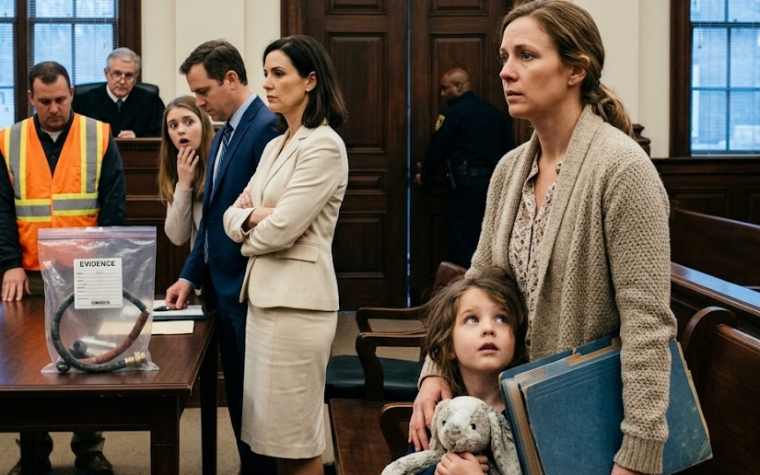
Now those explanations sat in the blue folder.
Dad looked up from the pages.
“You had no right to do this without warning us.”
I tapped the account agreement beneath his hand.
“The bank disagrees.”