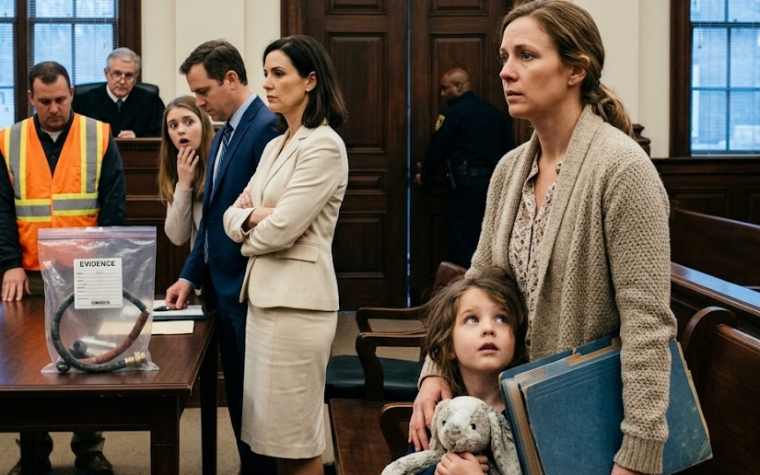
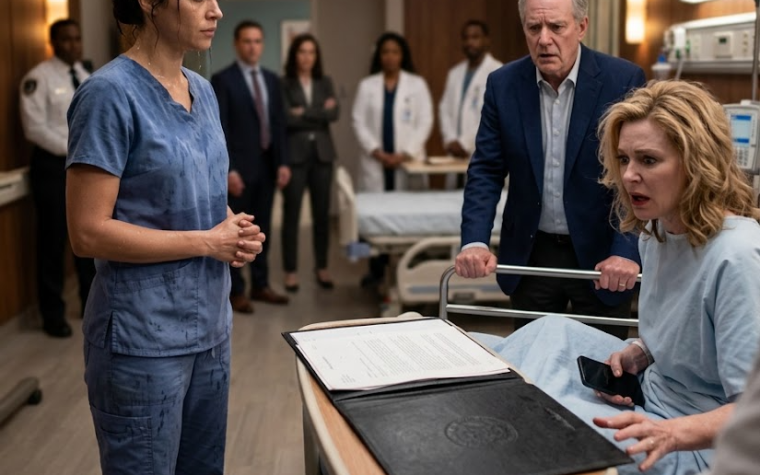
She had been scared too.
The difference was that a nine-year-old eventually brought me the truth.
The adults had waited until the truth arrived on its own.
The investigation that followed did not produce the simple answer my grief wanted.
No one could promise me that an earlier trip to the nurse or an earlier emergency call would definitely have changed the outcome.
Medical questions required specialists, records and careful review.
But the school’s handling of the incident was no longer described as straightforward.
The timeline was corrected.
Ethan had complained of feeling unwell before he collapsed.
He had requested help.
A classmate had raised concern.
His request to contact me had been declined.
And the initial statements given after the emergency had failed to include those facts.
The teacher was removed from the classroom while the school conducted its review.
The district examined its emergency-response procedures, including how staff should respond when a child reports sudden physical symptoms and when parents should be contacted.
I was also told that staff accounts after serious incidents would no longer be accepted as a single informal summary when multiple witnesses were present.
Statements would be documented individually and compared against available records.
Those changes did not bring Ethan back.
Nothing could.
That was one of the hardest things to accept.
Finding the truth did not create the dramatic relief people imagine.
I did not walk out of that school feeling victorious.
I walked out carrying my son’s empty backpack.
The Spider-Man face on the front was scratched.
The broken zipper still caught halfway.
His pencils still had teeth marks near the erasers because he chewed them when he concentrated.
Justice, accountability, investigation—those words belonged to adults.
The backpack belonged to Ethan.
At home, I put it beside his bed.
For weeks I couldn’t touch it.
The little girl who returned it came to see me once with her mother.
Her mother apologized for not knowing what her daughter had been carrying alone.
I told her there was nothing to apologize for.
Before they left, the girl stood in Ethan’s doorway.
“Was he mad at me for keeping it so long?” she asked.
I crouched so we were eye level.
“No.”
“How do you know?”
I looked toward the Mother’s Day card on his desk.
“Because you did what he asked.
You kept it safe.”
She nodded, but she still looked uncertain.
I added, “And when it mattered, you told the truth.”
That seemed to help.
After she left, I sat on Ethan’s floor and opened the card again.
The last line was written smaller than the others because he had nearly run out of space.
It said he loved me “even when you make me clean my room.”
I laughed.
Then I cried so hard I had to lie down on the carpet.
That became grief for me after Ethan.
Not one feeling.
A hundred feelings arriving without permission.
Anger beside love.
Relief beside guilt.
Laughter collapsing into tears.
There are still questions I will probably carry for the rest of my life.