I looked through the nursery window at our babies.
“You decided what was worth destroying when you signed outside the ICU.”
His voice dropped.
“If this continues, thousands of people could be affected.”
It was the first time he mentioned anyone beyond himself, and even then, he used them as a shield.
“The trustee is protecting the companies,” I said.
“The only person losing control is you.”
“That company is my life.”
“Our children were three hours old when you walked past them.”
He ended the call.
The review lasted several weeks.
I spent most of them moving between my room and the neonatal unit, learning how to feed babies too small to come home and how to walk without holding the wall.
Grant spent those weeks attacking the clause, the trustee, the hospital, his former lawyer, and me.
Every attack produced more documentation.
When he accused the doctor of exaggerating my condition, the hospital submitted my records showing that my heart had stopped and that emergency intervention had been required.
When he claimed he had remained available for the children, phone records showed that he had not contacted the neonatal unit once during the first three days.
When he insisted he had acted for financial stability, the trust produced his attempt to redirect restricted money minutes after receiving the suspension notice.
He did not lose because I outspent him.
He lost because he had created a trail of decisions no amount of money could make disappear.
The final hearing took place after I was discharged.
I entered the room slowly, still recovering, with the trust attorney beside me.
Grant sat across the table in a dark suit, but the details that once made him look untouchable now seemed like pieces of a costume.
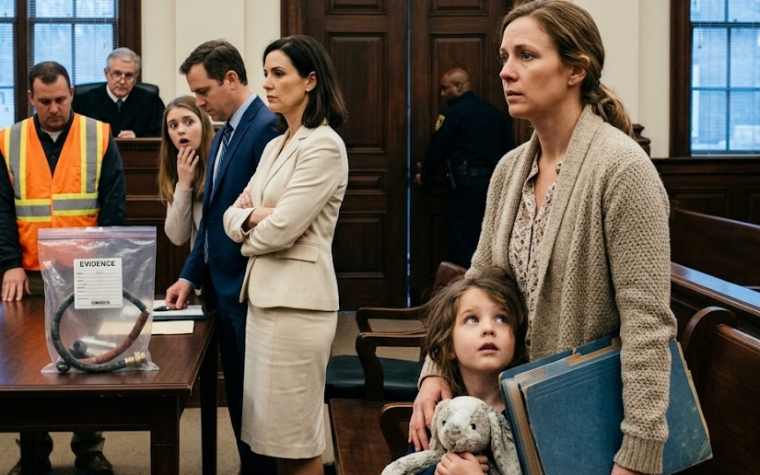
The independent trustee announced the findings.
Grant had knowingly executed marital documents while I was medically incapacitated.
He had attempted to remove medical coverage during a life-threatening emergency.
He had disclaimed his status as next of kin when authorization was needed.
He had then attempted restricted transfers after the trust suspended his authority.
The trustee permanently removed him as managing trustee.
Control of the protected voting shares transferred to an independent management structure.
A guaranteed medical and living fund was established for me and the triplets.
Their education, care, and inheritance interests could no longer be altered by Grant alone.
The companies would continue operating under professional leadership.
Grant would retain the personal assets legally belonging to him, but he would never again have unilateral power over the fortune held for the family.
The empire he believed answered only to him had been dismantled into something safer: a business he could not use as a weapon.
His attorneys requested a private break.
The trustee refused.
Grant finally looked directly at me.
“You planned this.”
I rested one hand over the scar beneath my dress.
“I was planning to survive childbirth.”
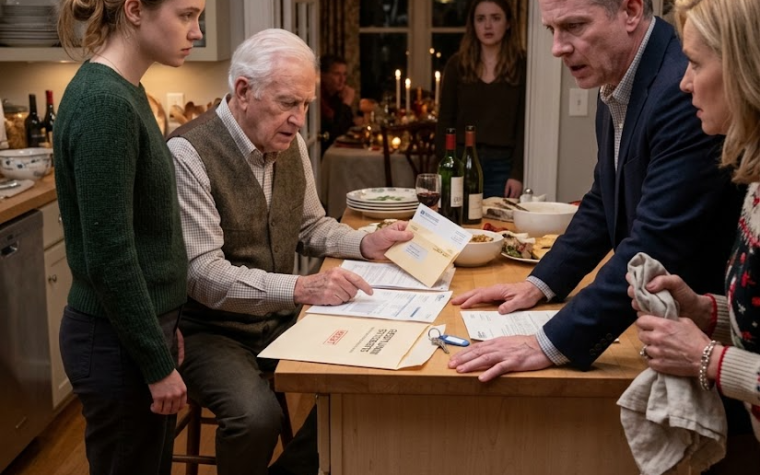
“You kept that folder at the hospital.”
“Because the trust attorney told both of us to keep emergency documents accessible before the delivery.
You laughed and said nothing would ever happen to you.”
His face changed as he remembered.
The warning had not been hidden.
The clause had not been a trap.
He had simply believed safeguards were for weaker people.
The divorce moved forward after that, but no longer on the terms Grant had tried to impose beside the ICU.
I had independent counsel.
My medical rights were restored.
The triplets remained protected.
Every decision concerning their care required lawful review rather than one impatient signature.
Grant asked to visit them several months later.
I did not deny him automatically, and I did not grant him private access.
The arrangements were handled through the proper process, with the babies’ safety placed ahead of his pride.
For the first time, he had to ask rather than command.