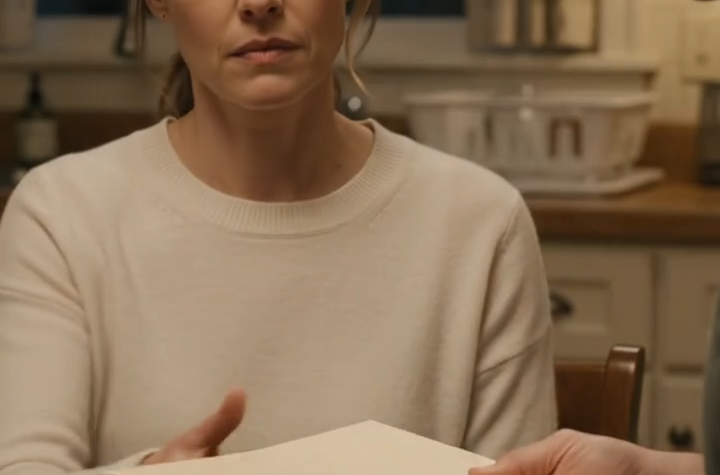
She nodded.
At the door, she stopped.
“You really didn’t know?”
“About the chat? No.”
“I mean about us.”
That question followed me long after she left.
Because part of me had known something was wrong.
Not the details.
Not the jokes.
Not the calculated instructions about crying or guilt.
But I had noticed how often affection appeared next to requests.
How quickly a warm phone call became a bill.
How rarely anyone asked whether helping them cost me anything.
I had mistaken being needed for being close.
The next few weeks were uncomfortable in ordinary, predictable ways.
Quentin had to take over his own insurance payment.
Penelope rearranged her daycare budget and cut expenses she had previously assumed I would absorb.
Mom moved her cell phone onto a cheaper plan and stopped receiving the weekly grocery transfer from me.
There were angry messages at first.
Then guilty ones.
Then silence.
I didn’t block them.
I simply stopped responding to requests that arrived disguised as emergencies.
Penelope was the first to contact me without asking for anything.
She apologized again.
This time she didn’t explain herself afterward.
That mattered.
Quentin took longer.
His first attempt included three paragraphs about how everyone says things they don’t mean in private.
I didn’t argue.
A month later, he sent a shorter message admitting that laughing at me while accepting my money had been cruel.
Mom never gave me the clean apology I once would have waited desperately to receive.
For a while, that hurt more than canceling any payment.
Then something surprising happened.
The world kept moving.
My phone could ring without my stomach tightening.
Friday mornings stopped beginning with a transfer.
When an unexpected expense came up in my own life, I paid it without calculating which relative might need the money more.
The savings account I moved that Wednesday morning stayed mine.
More importantly, so did my time.
Months later, Penelope invited me to dinner at her house.
She paid for the groceries.
There was boxed macaroni on the stove again.
Her tablet buzzed on the counter.
Neither of us reached for it.
She noticed me looking at the pot and gave a nervous little laugh.
“I guess this meal has history now.”
“A little.”
We didn’t pretend everything was repaired.
Trust doesn’t come back because someone finally understands what they risked losing.
But we ate together without anyone asking me for money.
For the first time in years, that felt more like family than all the birthday posts, grateful captions, and emergency phone calls combined.
I had spent a long time believing love was proven by how much I was willing to carry for other people.
That tablet taught me something harsher and more useful.
People who love you may need your help.
They may even need it often.