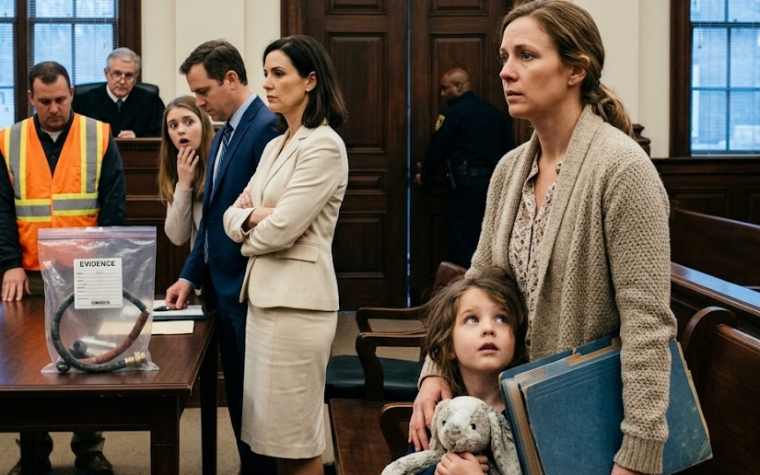
The first page inside the blue folder was not a check.
It was a written purchase proposal.
My parents stared at it as if I had placed a live wire between us.
The offer had been prepared by the attorney who handled my divorce.
It was contingent on an independent appraisal, a clean title review, lender approval, and vacant possession.
I would purchase the house, bring the delinquent mortgage current through escrow, and pay the remaining loan balance at closing.
The deed would be transferred into my name.
My parents, Sloan, and everyone else living there would have thirty days to move after the agreement became binding.
No cash would pass through my mother’s hands.
No informal promises.
No envelopes across the kitchen counter.
Every dollar would be documented.
Dad read the first page twice.
Mom did not make it past the sentence requiring vacant possession.
“You want to take our house?”
“You asked me to save it.”
“We asked you to help with the payment.”
“You removed the person making the payments.”
Mom pushed the folder away.
“This is cruel.”
I thought of Lily sitting beside her pink blanket while the plastic bags softened in the sun.
“Cruel was locking a five-year-old outside and telling her not to cry.”
Dad flinched.
Mom’s expression hardened instead.
“Sloan made a mistake.
She’s under stress.”
“Lily was scared.”
“Sloan is pregnant.”
“Lily is five.”
The room became so quiet that I could hear the ventilation system above us and the faint tapping of someone typing beyond the glass wall.
My parents had arrived expecting the version of me they had trained for years: the daughter who noticed the overdue bill, swallowed her anger, and transferred enough money to make the emergency disappear.
They did not know what to do with the woman who had started keeping records.
Dad lowered himself into the chair across from me.
“How did you arrange this so quickly?”
“I made calls.”
“You were planning to buy the house?”
“I was planning to buy a safe home someday.
I didn’t expect it to be yours.”
For nearly two years, I had put away whatever remained after helping them.
It was not enough to purchase a house outright, but I had stable employment, good credit, and enough savings for a down payment.
My attorney had connected me with a lender that morning.
The proposal was not a finished sale contract.
It was a path forward, subject to numbers that still had to be verified.
They had another option.
They could reject it and find someone else to cover the mortgage.
I told them that.
Mom looked offended.
“After everything we’ve done for you?”
I turned my monitor toward them.
The photograph from the porch filled the screen.
Lily sat small and rigid among the bags.
Her bunny hung from the grocery sack.
The locked front door rose behind her.
The timestamp glowed in the corner.
“This is what you did for us.”
Dad stared at the photograph.