“You bought it for me when you had almost nothing.
I treated that like proof you would always give me whatever I wanted.”
“I gave it because I wanted to.”
“I know.
Mom and Dad taught me not to see the difference.”
That was the first honest thing she had said about our childhood.
We did not repair twenty years in one conversation.
We began with small boundaries.
No financial requests.
No messages carried between me and our parents.
No sharing details about my home, work, or accounts.
When relatives asked her to pressure me into dropping the restitution claim, she refused.
Trust returned in inches, not miles.
I changed banks, passwords, locks, and emergency contacts.
I stopped keeping handwritten PINs.
My company added stricter controls for business cards, including immediate biometric confirmation for large cash advances.
For a long time, I kept the family photograph facedown on my desk.
One morning, I finally picked it up.
Dad stood behind us with his hands on our shoulders.
Mom smiled at the camera.
Sarah was leaning toward me, and I was leaning slightly away without realizing it.
I did not turn the frame upright.
I removed the photograph and placed it in a box at home.
Then I put an empty frame back on my desk.
A year after the wedding, Sarah visited my office.
She brought no request and no dramatic apology.
She carried a small printed photograph from a weekend hike she and I had taken together.
In it, we were standing several feet apart on a mountain path, both laughing at something outside the frame.
“Could this go there?” she asked.
I studied the picture.
Nothing in it had been purchased through guilt.
No one had been forced to smile.
No debt hid behind the moment.
I placed it inside the frame.
The recovered money did not restore the years I had spent believing love required surrender.
The guilty pleas did not erase my mother’s voice saying, “Don’t be dramatic,” or my father asking when I had become cold.
But the case gave those words their proper meaning.
I had not been cold.
I had been the only person in the family willing to say that love without consent was not generosity, and family without boundaries was not safety.
The day my parents stole from me, they expected silence.
The day they mocked me beside the stolen necklace, they expected shame.
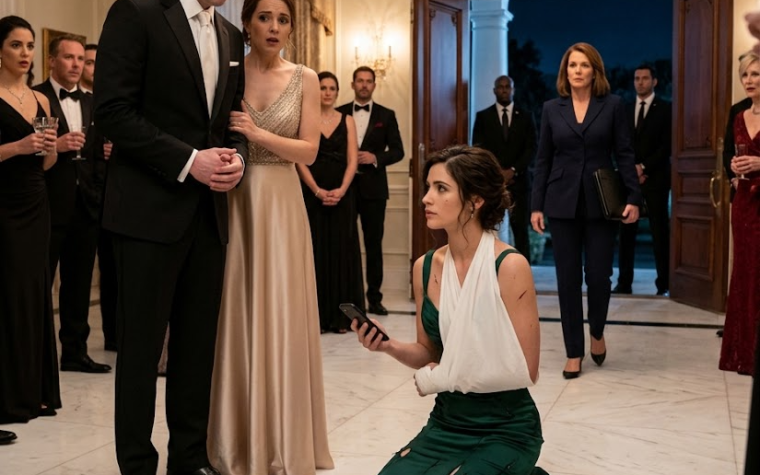
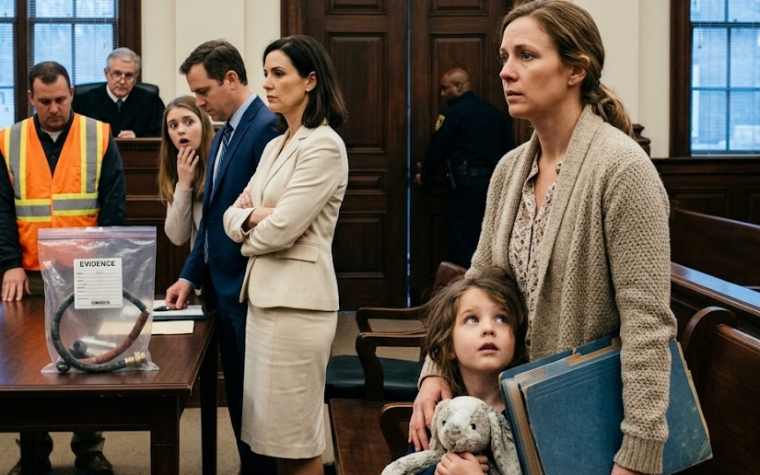
What they received instead was evidence, witnesses, and a locked ballroom door.
What I received took longer to recognize.
It was not revenge.
It was ownership of my own life again.