The first crack did not sound like an explosion.
It was smaller than that—a sharp, brittle snap buried beneath layers of dirt and wet cement.
Yet inside the transparent coffin, Joe Burrus felt it travel through the enclosure beneath his shoulders.
He stopped pulling against the handcuffs.
For one suspended second, everything became still.
The chains around his body no longer seemed like the greatest threat.
Neither did the chain that had earlier shifted toward his neck.
Joe stared through the darkened lid and watched the material above him press lower.
The coffin flexed again.
A pale line spread across the plastic and glass.
Aboveground, one crew member stepped toward the grave.
The surface had dipped by only a few inches, but it was enough to change the mood around the burial site.
The spectators who had been waiting for an impossible escape now leaned forward, trying to understand what they had seen.
The crew had followed the design of the stunt.
Joe had been restrained, sealed inside the transparent coffin, lowered into the prepared grave, and covered with earth.
When he signaled that a chain had shifted around his neck, they had paused.
They adjusted it.
They made sure he could breathe.
Then they continued.
That decision had seemed reasonable only moments earlier.
Joe had not abandoned the stunt.
The danger was supposed to be real enough to terrify the audience but controlled enough to permit an escape.
The wet cement changed everything.
It did not merely cover the coffin.
It formed a crushing mass above it, pressing the loose soil downward and forcing the entire load against the enclosure.
By the time the grave was nearly filled, an estimated nine tons of material bore down on the transparent structure.
No performer could negotiate with that kind of weight.
Inside, Joe twisted his wrists.
The handcuffs scraped against each other, but there was almost no room to move.
The coffin walls had begun bowing inward.
Dirt packed tightly along both sides, preventing the enclosure from shifting even a fraction of an inch to relieve the pressure.
He looked upward again.
The crack widened.
Above him, the crew member closest to the grave raised a hand and shouted for the operation to stop.
The equipment fell silent.
For a heartbeat, the silence seemed to offer hope.
No more dirt.
No more cement.
No more weight.
But stopping the burial could not remove what had already been placed above Joe.
The grave surface sank another inch.
Someone called his name.
Joe could hear only a muffled vibration through the layers pressing down on him.
He braced his shoulders against the bottom of the coffin and tried to create space beneath the bending lid.
The chains held him close.
The clear panel lowered.
Then the coffin collapsed.
The failure happened in a single violent movement.
Plastic and glass gave way beneath the enormous load, and the material above crashed into the space the enclosure had protected.
The crowd recoiled.
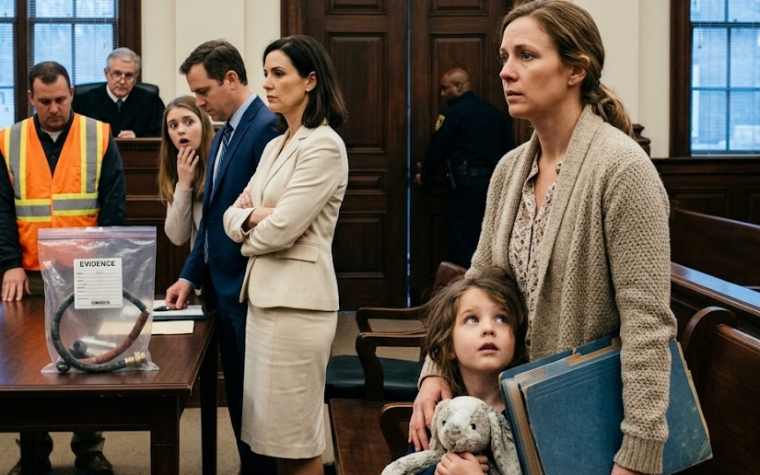
What had been presented as an escape act became a rescue operation before anyone could fully understand what had happened.
Crew members rushed toward the grave.
Shovels struck the surface.
Hands tore at wet earth.
Someone called for help while others tried to clear the cement and dirt directly above the coffin.
They worked with frantic speed, but the rescue was almost impossible from the first second.