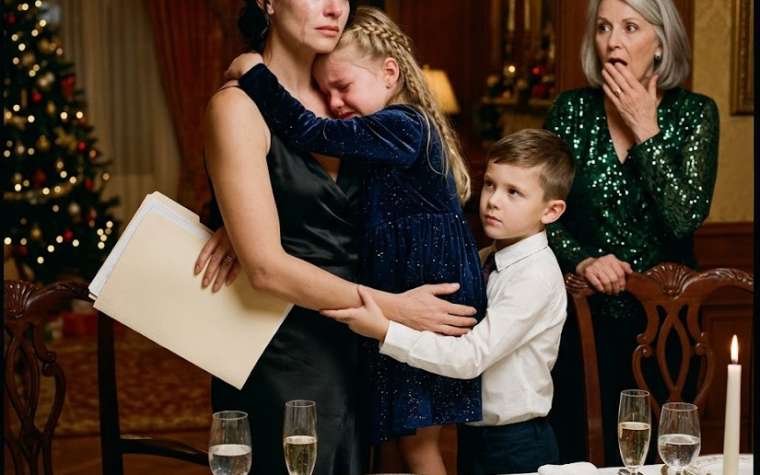
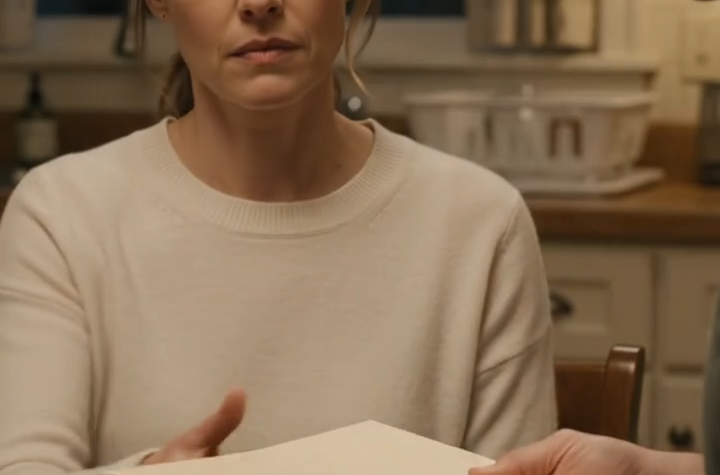
They could not sell it, pledge it, renovate it without written permission, transfer an interest in it, or promise it to Marcus.
The emergency credit card was gone.
The automatic payments I had quietly covered for years were reviewed one by one.
I continued paying the property taxes because the house remained mine.
They assumed responsibility for ordinary utilities and household expenses they could afford.
The world did not end.
That surprised them more than anything.
They adjusted.
Not happily at first.
But they adjusted.
And so did I.
The hardest part was not enforcing the documents.
It was living with the silence that followed.
For months, family gatherings became smaller.
Marcus rarely spoke to me.
My father kept conversations formal.
My mother sometimes called and almost slipped into the old language—family helps family, your brother needs, your father thinks—and then stopped herself.
I learned not to fill every silence with money.
I learned that discomfort was not an emergency.
One evening in late autumn, I returned to the lake house after the repaired sunroom was finished.
The construction dumpster was gone.
The flower bed had been replanted.
The new windows reflected a gray Michigan sky, and the room smelled faintly of fresh wood.
I carried in one box.
Inside was the old ceramic mug I had used before the demolition, a few books, and a framed photograph of the lake at sunrise.
That was all.
I set the mug on the little table by the window.
For a while, I just stood there.
The room was almost identical to the one they destroyed.
But I wasn’t.
My phone buzzed.
A message from my mother.
Your father received the latest repayment notice.
He’s upset.
I read it.
Then another message appeared.
I know this isn’t yours to fix.
I stared at those words for a long time.
They were small.
Maybe insignificant to anyone else.
But my mother had never said anything like that to me before.
I typed back.
Thank you for understanding.
Then I put the phone facedown.
Outside, the lake was still.
I sat in the chair by the glass and wrapped both hands around my coffee.
For years, I had believed generosity meant never making people feel the weight of what they took from me.
Now I understood something simpler.
A gift is something freely given.
Anything that requires a forged signature was never a gift.
My family had expected the folder to contain bills, complaints, maybe another check after enough guilt.
Instead, it contained boundaries they could finally see on paper.
The deed had never been revenge.
I did not remove my parents from their home.
I did not take pleasure in my father’s legal trouble.
I did not celebrate Marcus scrambling to find another place before his daughter was born.