“You’re strong, Paige.
You’ll figure it out.”
For years, I had mistaken survival for proof that their treatment had not harmed me.
I thought strength meant absorbing every insult without asking anyone else to change.
This time, I stopped her.
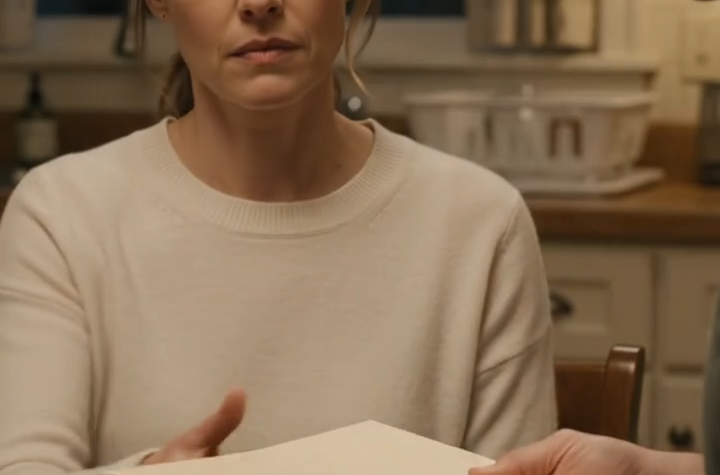
“I wasn’t the easy one,” I said.
“I was the child you decided could be left alone.”
She began to cry.
I didn’t rush to comfort her.
I didn’t apologize for telling the truth.
And I didn’t agree to rescue Dylan.
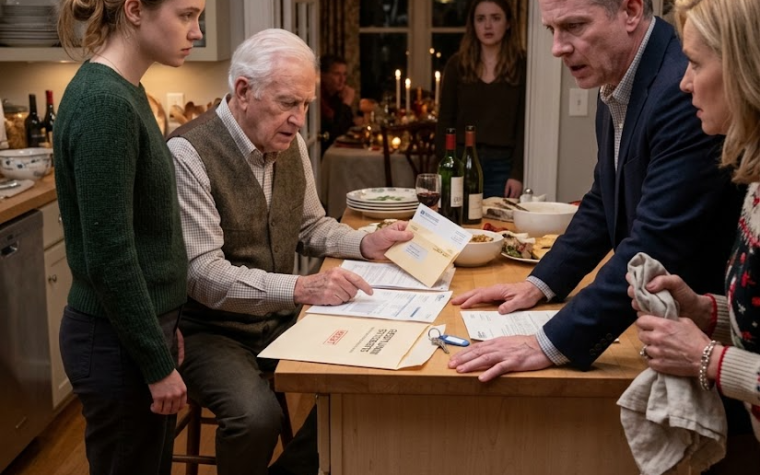
The night of the engagement party, my brother tried to show 120 people exactly where he believed I belonged: beside the trash, away from the beautiful tables, grateful for whatever place the family gave me.
But the seat was never the real humiliation.
The humiliation was his certainty that I would accept it.
I still drive an ordinary car.
I still work hard.
I still solve my own problems more often than I should have to.
The difference is that I no longer let anyone call neglect a compliment.
Dylan spent his life believing quiet people were powerless.
He learned the truth when the sister he had placed beside the trash cans opened no speeches, made no threats, and asked for no attention.
She simply brought the evidence—and let him demand the screen.