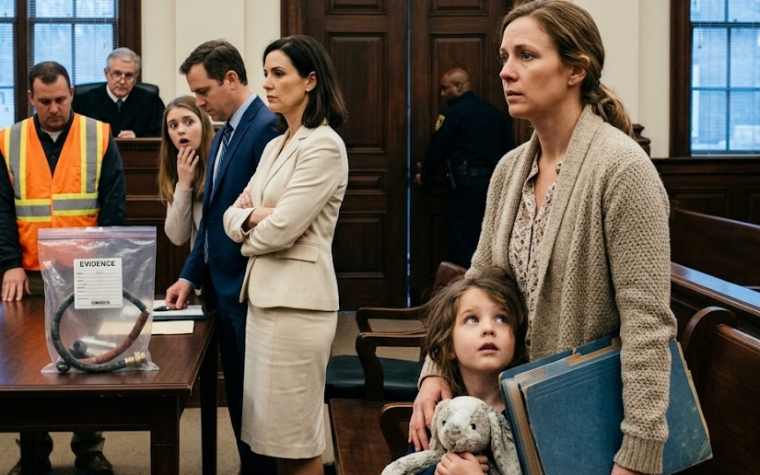
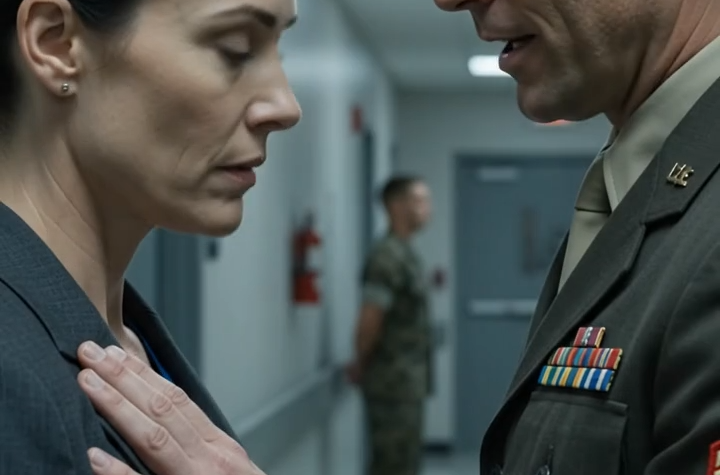
When the nurse left, my sister stood beside the front desk staring at Dad’s folder.
“I thought he gave you the bad inheritance,” she said.
“So did I.”
She ran one finger along the edge of the desk.
“And you’re keeping it?”
“Yes.”
She looked around again.
“I don’t know if I could do this.”
I thought of her comment in the lawyer’s office.
Projects that require patience.
This time the words no longer stung.
“I think Dad knew that,” I said.
Vanessa met my eyes, and for once neither of us needed to turn the moment into a competition.
The weeks that followed were not magical.
Sunset Ridge remained an old motel.
Pipes still leaked.
Guests still complained.
A washing machine stopped working on a Sunday.
The sign still needed repair.
I spent hours studying Dad’s records with Frank so I could understand which rooms operated normally, which arrangements were temporary, and how Dad had balanced compassion with the reality that electricity, water, insurance, and repairs still had to be paid.
That was another thing I learned about him.
He had not run the place carelessly.
He had been generous within limits that allowed the doors to stay open.
People who could pay did.
People who needed short extensions received them.
Those who found stability moved on, leaving space for somebody else.
It was not a fortune.
It was a system held together by discipline, memory, trust, and a battered folder full of names.
I began replacing Dad’s handwritten notes with more organized records, but I kept the old ledger in the office drawer.
I could not bring myself to throw away a single page.
Brian continued calling for a while.
First he apologized for his tone.
Then for his words.
Then he said grief had made both of us behave badly.
I corrected him every time.
Grief had made me quiet.
Contempt had made him cruel.
Eventually I told him I was not coming back simply because he regretted what his words had cost him.
There were practical matters to settle between us, and I handled them practically.
I did not need a dramatic revenge.
The clearest consequence was enough: the night he thought I had inherited nothing, Brian showed me exactly how conditional his respect had become.
Once I saw that, I could not unsee it.
Months later, I stood outside Sunset Ridge while a repair crew fixed the missing letters on the old sign.
For years, I had driven past it thinking the faded name represented one more burden Dad refused to release.
Now every room looked different to me.
I knew who had once stayed in some of them.
I knew who had left after finding work, who had saved enough for an apartment deposit, who still came back for coffee with Frank even though they no longer lived there.
The nurse eventually brought me a small plant for the office window.
“For your dad’s desk,” she said.
I placed it beside his old coffee mug.
Vanessa visited more often too.
She never became part of the day-to-day operation, and I never expected her to.
But the sharpness between us faded once we stopped treating Dad’s will like a scoreboard.
One afternoon she stood in the doorway watching me hand a room key to a tired woman who had just started a new job.
After the woman left, Vanessa said quietly, “I understand now.”
“What?”