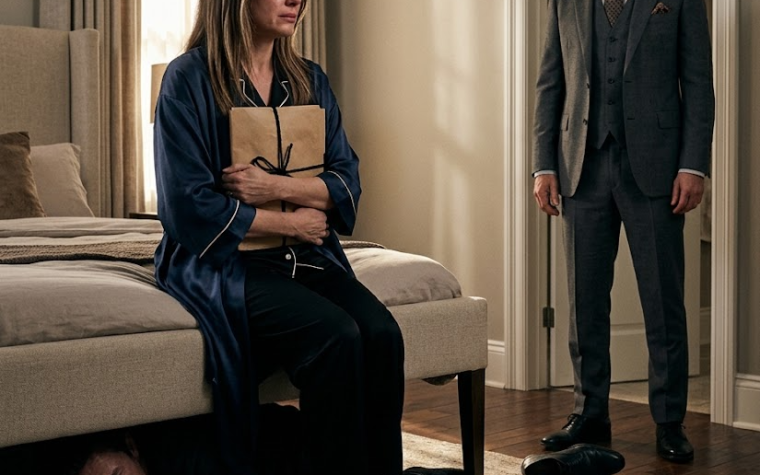
He said he did not want to cause a scene.
He said his mother was difficult.
Hazel listened and asked again.
“But why did you let her?”
There was no corporate title, expensive watch, or polished speech that could answer her.
Eventually, he said, “Because I was afraid to stand up to her.”
Hazel replied, “Mom was afraid too, but she did it.”
That sentence followed him longer than any legal document.
I returned to active leadership at the company, though I did not try to become my father.
I hired an experienced president, strengthened financial controls, and required dual approval for major expenditures.
Nina became chief operating officer.
On the anniversary of Walter’s birthday dinner, I took Hazel and Sophie back to the same restaurant.
Not to prove anything to Margaret.
To replace a painful memory with a different one.
The manager remembered us.
He seated us near the windows, where the harbor lights shimmered across the water.
When the waiter arrived with garlic-butter shrimp, Sophie looked at me before reaching for one.
“Can I have some?”
I placed the platter between my daughters.
“You never have to earn a place at my table.”
Hazel smiled, but her eyes filled with tears.
This time, they were not tears of humiliation.
We ate slowly.
We ordered dessert.
We laughed too loudly.
There was no jazz band, no audience, and no expensive performance of family devotion.
There were only three people learning that peace does not come from enduring cruelty.
Sometimes peace begins when you stand up, take your children’s hands, and leave the cold plate behind.